Summary
A lot of enterprises have already started using AI in procurement, but many procurement teams still work with scattered supplier data, slow approvals, and disconnected systems. This usually happens because procurement data management is still handled across spreadsheets, emails, ERP tools, and manual workflows. Better procurement data management helps enterprises improve procurement visibility, reduce delays, automate procurement workflows, and build stronger AI-driven procurement operations without adding more complexity to day-to-day procurement work.
- McKinsey reports that 40% of procurement functions have already implemented or piloted generative AI in procurement operations.
- McKinsey states that AI-driven procurement transformation can improve procurement efficiency by 25-40%.
- Deloitte highlights that poor-quality procurement data reduces the effectiveness of AI for Procurement and impacts procurement decision-making.
- Deloitte’s Global CPO Survey shows procurement leaders are increasing investments in AI-powered procurement technologies for better visibility and operational efficiency.
Introduction
Most procurement teams are not short on tools anymore. They already have ERP systems, approval platforms, supplier databases, finance software, and reporting dashboards running across the business. Still, procurement operations continue feeling slower and more manual than expected.
A sourcing request gets delayed because approvals are sitting in email threads. Vendor quotations arrive in different formats and someone from the procurement team spends hours comparing them manually. Finance teams maintain one version of supplier information while procurement teams work with another. Eventually, teams stop trusting the data completely.
This is where procurement data management starts becoming a serious problem.
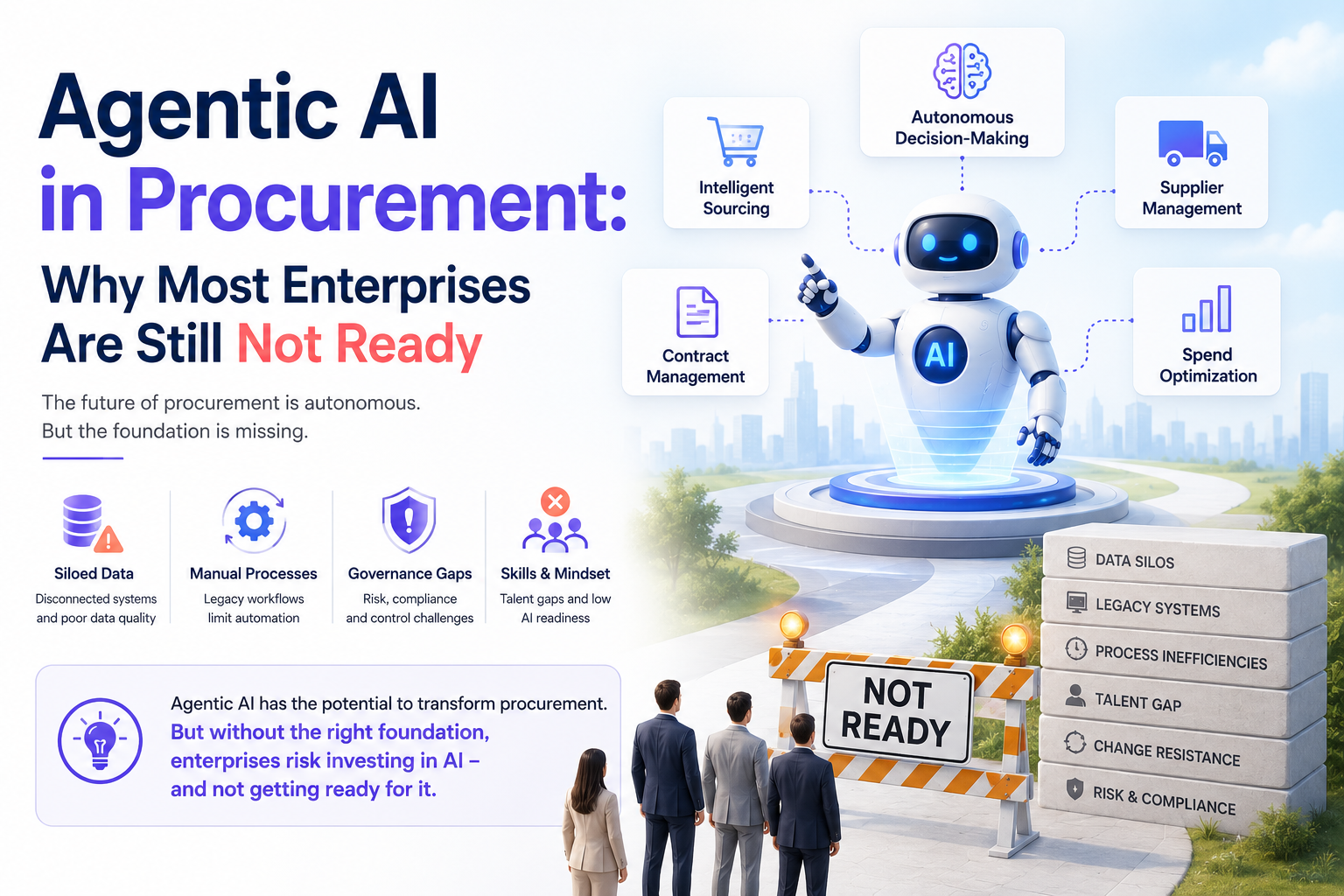
A lot of enterprises talk about AI in procurement, but the reality is that AI systems also depend on clean and connected procurement data. If procurement information is scattered across contracts, spreadsheets, shared drives, and disconnected systems, AI-driven procurement tools struggle to produce meaningful insights.
That is why enterprises trying to scale procurement automation are now paying closer attention to procurement data management instead of only adding more procurement tools.
The Procurement Data Management Problem Enterprises Still Deal With
Most prs and workflows.ocurement issues do not start with sourcing. They start much earlier, usually when procurement data gets spread across too many system
Over time, procurement teams end up maintaining supplier records in one place, invoices somewhere else, approvals through emails, and spend reports inside spreadsheets. Small gaps begin piling up quietly until procurement operations become difficult to manage properly.
Why Procurement Data Management Gets Messy Over Time
Enterprise procurement operations naturally become more complicated as organizations grow. More suppliers get added, procurement requests increase, approval chains become longer, and different departments start following different procurement processes.
After a point, procurement teams spend more time managing operational confusion than actually improving procurement efficiency.
Supplier Information Starts Looking Different Everywhere
One of the most common procurement problems is inconsistent supplier data.
A supplier may appear with one name inside ERP software, another name inside contracts, and slightly different information inside finance systems. Procurement teams then spend unnecessary time validating supplier records manually because there is no centralized procurement data management process in place.
This also affects supplier visibility and sourcing decisions later.
Procurement Approvals Become Slower Than They Should Be
In many enterprises, procurement approvals still depend heavily on manual coordination.
Someone raises a procurement request, another person forwards it through email, finance reviews it separately, and procurement teams keep following up in between. A process that should ideally take hours ends up taking days.
Most of these delays happen because workflows are disconnected, not because teams are intentionally slowing things down.
Procurement Visibility Remains Limited
Procurement leaders often struggle to get a complete view of procurement activity across the organization.
Spend reports sit in one system. Vendor performance tracking happens somewhere else. Invoice information is handled separately by finance teams. Procurement data analytics eventually becomes reactive because teams are pulling information from multiple disconnected sources.
This makes procurement process optimization much harder than it needs to be.
Vendor Comparison Still Feels Manual
This is another area where procurement teams quietly lose time every day.
Some suppliers send quotations through PDFs. Others use spreadsheets. A few vendors send pricing details directly inside emails. Procurement teams manually compare everything line by line before making sourcing decisions.
It becomes repetitive work, especially when procurement volumes increase.
| Procurement Data Management Issue | Operational Impact |
| Supplier data spread across systems | Weak supplier visibility |
| Email-based approvals | Delayed procurement cycles |
| Spreadsheet tracking | Reporting inconsistencies |
| Disconnected procurement tools | Limited procurement visibility |
| Manual quotation comparison | Slower sourcing decisions |
| Incomplete procurement data | Weak procurement insights |
This is one reason many enterprises still feel stuck even after investing in enterprise procurement solutions.
Why AI in Procurement Depends on Better Procurement Data Management
There is a common assumption that AI for procurement automatically fixes inefficiencies. In reality, AI systems are only as useful as the procurement data available inside the organization. If procurement data is incomplete, outdated, or disconnected, AI-driven procurement systems cannot generate reliable procurement insights.
That is why procurement data management has become a much bigger conversation across enterprise procurement teams recently.
How AI Improves Procurement Data Management
Modern smart procurement systems help enterprises organize procurement operations in a more connected way.
Instead of procurement teams manually processing information across systems, AI can help structure procurement data automatically as workflows move across sourcing, approvals, invoices, and supplier management.
AI Helps Reduce Repetitive Procurement Work
A large part of procurement operations still involves repetitive manual work that consumes time every day.
AI-driven procurement systems help reduce this workload by supporting tasks such as:
- Extracting quotation details
- Processing invoices
- Routing procurement approvals
- Standardizing supplier information
- Tracking procurement spending
- Identifying invoice mismatches
This allows procurement teams to focus more on supplier strategy and procurement decisions instead of operational follow-ups.
Better Procurement Data Improves Procurement Decisions
When procurement data management improves, procurement teams naturally gain stronger visibility into procurement operations.
It becomes easier to understand:
- Supplier performance
- Sourcing trends
- Procurement delays
- Spending patterns
- Approval bottlenecks
- Vendor risks
Instead of depending on fragmented reporting, procurement teams can work with more consistent procurement insights across the organization.
Procurement Challenges and AI Solutions Enterprises Are Focusing On
Most enterprises today are not just trying to automate approvals anymore. They are trying to simplify procurement operations without creating additional workflow complexity.
This is why AI-powered supply chain and procurement technologies are becoming more operationally focused instead of just dashboard-focused.
| Challenge | Challenge Explanation | AI Solution |
| Manual Vendor Comparison | Procurement teams still spend considerable time reviewing quotations manually because suppliers send procurement information in completely different formats. This creates delays during sourcing and supplier evaluation. | AI-driven procurement platforms help standardize quotation information automatically so procurement teams can compare suppliers faster and make sourcing decisions with less manual effort. |
| Delayed Procurement Approvals | Approval workflows often move across departments with too many dependencies between teams. Procurement requests remain stuck simply because workflows are not connected properly. | Procurement automation helps enterprises automate approval routing based on procurement rules, reducing unnecessary follow-ups and improving approval speed. |
| Poor Procurement Visibility | Procurement teams often struggle to track spend visibility, supplier activity, and procurement workflows in real time because procurement data sits across disconnected systems. | Procurement data analytics dashboards help enterprises centralize procurement visibility and improve operational tracking across procurement workflows. |
How Enterprises Can Optimize Procurement with AI
Enterprises improving procurement data management usually focus on simplifying workflows first instead of adding more disconnected systems.
The goal is to create procurement operations where supplier information, approvals, procurement analytics, and sourcing activity remain connected throughout the procurement lifecycle.
What Modern Enterprise Procurement Solutions Should Support
Modern enterprise procurement solutions should help procurement teams manage operations from one connected environment instead of multiple disconnected workflows.
Important capabilities generally include:
- Centralized supplier management
- Procurement data analytics
- Procurement workflow automation
- Spend visibility tracking
- Invoice automation
- Supplier performance monitoring
- ERP integration
- AI-driven sourcing insights
The shift now is moving from basic procurement automation toward more connected and data-driven procurement operations.
How ProcureSignal Helps Improve Procurement Data Management
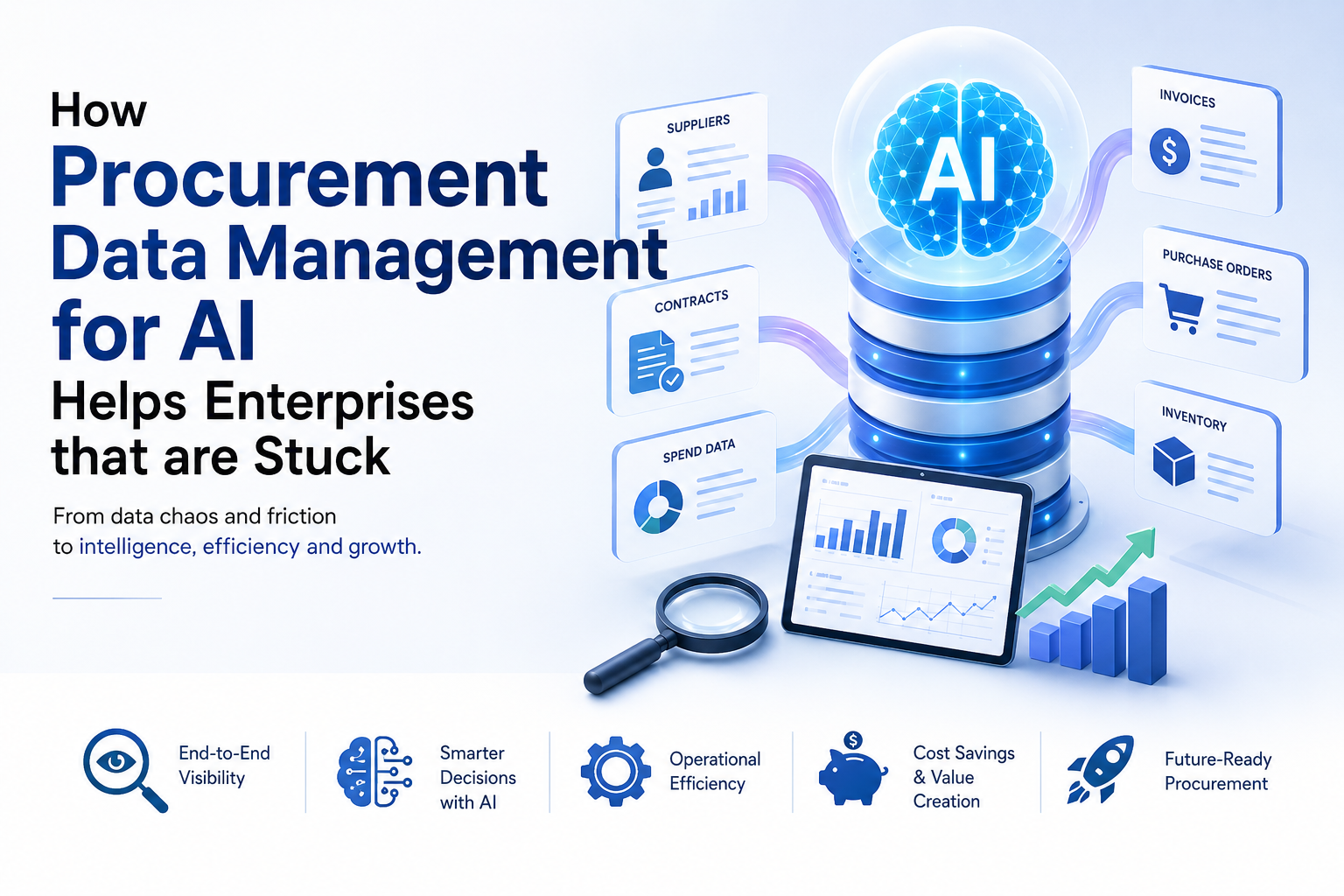
ProcureSignal helps enterprises simplify procurement data management by bringing procurement workflows, supplier intelligence, approvals, procurement analytics, and sourcing visibility together into one platform.
Instead of procurement teams depending on spreadsheets, emails, and disconnected systems, procurement operations become easier to track and manage through connected workflows.
How ProcureSignal Supports Procurement Teams
ProcureSignal helps enterprises:
- Automate procurement workflows
- Improve procurement visibility
- Reduce approval delays
- Centralize supplier information
- Improve procurement data analytics
- Speed up vendor comparison
- Reduce procurement errors
- Improve supplier management
This helps procurement teams improve operational efficiency without creating additional manual work.
AI-Driven Procurement Capabilities Inside ProcureSignal
ProcureSignal supports procurement operations through:
- AI-based RFQ processing
- Automated quotation comparison
- Intelligent invoice matching
- Procurement workflow automation
- Supplier performance tracking
- Procurement anomaly detection
- Procurement dashboards
- ERP integration support
These capabilities help enterprises improve procurement efficiency with AI while strengthening procurement data management across sourcing, approvals, and supplier operations.
Supporting Digital Procurement Transformation
ProcureSignal works alongside existing ERP systems instead of forcing enterprises to completely replace their infrastructure.
This allows procurement teams to improve procurement data management gradually while building more connected procurement operations across workflows, approvals, sourcing, and procurement analytics.
Conclusion
A lot of enterprises already have procurement technology in place, but disconnected procurement data still slows operations down quietly in the background.
Approvals take longer, supplier visibility becomes inconsistent, procurement reporting stays fragmented, and procurement teams spend too much time handling operational follow-ups manually.
This is why procurement data management is becoming a much bigger priority across enterprises adopting AI in procurement.
ProcureSignal helps enterprises improve procurement data management by connecting procurement workflows, supplier information, approvals, sourcing activity, and procurement analytics into one AI-driven procurement platform.
As procurement operations continue becoming more data-heavy, enterprises that simplify procurement data management early will find it much easier to scale procurement automation and AI-driven procurement initiatives successfully.
FAQs
How Does Procurement Data Management Improve AI in Procurement?
Procurement data management improves AI in procurement by helping enterprises centralize supplier information, procurement workflows, invoices, approvals, and sourcing activity. When procurement data stays connected and structured, AI-driven procurement systems can generate better procurement insights and improve operational decision-making.
What Are the Benefits of AI in Procurement Data Management?
AI in procurement data management helps enterprises reduce manual procurement work, improve procurement visibility, automate procurement workflows, strengthen procurement data analytics, and simplify supplier management. It also supports faster sourcing decisions and better procurement efficiency improvement across procurement operations.
Why Are Enterprises Facing Procurement Data Management Challenges?
Most enterprises face procurement data management challenges because procurement data is usually spread across ERP systems, spreadsheets, contracts, shared drives, emails, and disconnected procurement tools. This creates workflow delays, weak procurement visibility, inconsistent reporting, and inefficient procurement operations.
How AI Helps Solve Procurement Inefficiencies for Enterprises?
AI helps solve procurement inefficiencies by automating procurement approvals, simplifying quotation comparison, improving procurement data analytics, centralizing supplier information, and reducing repetitive procurement tasks. AI-driven procurement systems also improve procurement process optimization across enterprise procurement workflows.
How Can Enterprises Optimize Procurement with AI and Procurement Data Management?
Enterprises can optimize procurement with AI by improving procurement data management, connecting procurement workflows, automating procurement approvals, centralizing procurement visibility, and using AI-driven procurement systems to improve sourcing decisions, supplier management, and procurement efficiency across operations.